
Exoskeletons
Exoskeletons can be used in rehabilitation to help people with spinal cord injuries stand up and retrain their mobility skills. For people who work in demanding environments such as construction and manufacturing, exoskeletons, also known as exosuit or robotic suit, can eliminate work injuries or multiply the strength of the wearer.
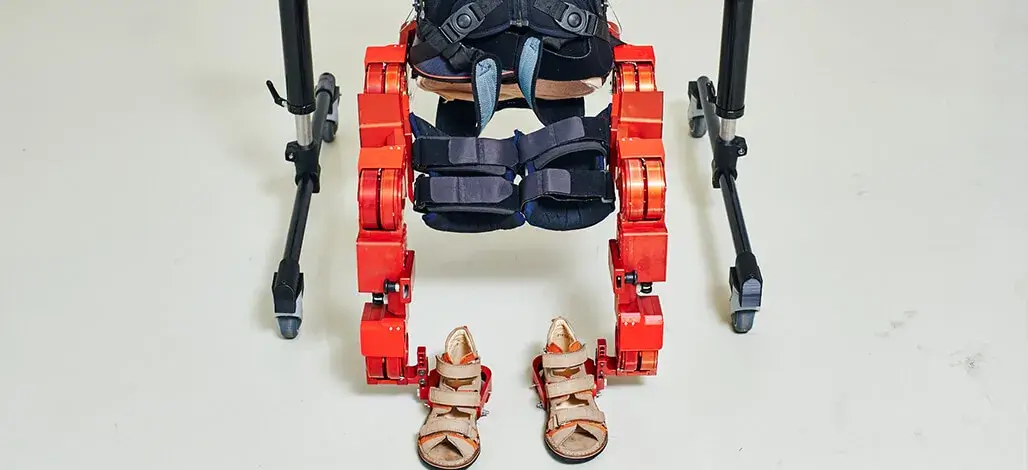
Exoskeletons are pieces of equipment that some people with varying levels of paralysis wear to assist them in movement.
Built using a series of motors and sensors which move the wearer’s legs, these impressive exoskeletons are helpful as a rehabilitation tool for people with lower extremity weakness, be it from physical injury, stroke or disease. There are some size requirements for the user, such as height and weight, as well as requirements for flexibility such as the ability to manage some forearm control to operate these devices.
Typical encoders used in some of these “walking” exoskeletons are absolute rotary encoders which provide motion and speed feedback in the motors moving the knee and elbow joints within the exoskeleton. Using the encoders, the exoskeleton system can position these joints extremely accurately and with consistent repeatability. These aspects are crucial to the machines as they are interfaced directly to a person and need this level of quality in order to ensure the safety of the user.
Why RLS magnetic encoders?
Industry Challenges
- Stability
- Reliability
- Low weight
- Compact Design
RLS Solutions
- Industry standard output options
- Accuracy to ±24 arcsec
- Wide range of resolutions
- Maximum speed to 30,000 rpm
- Quiet operation even at high speeds
- Low moment of inertia
- Wide operating temperature range: -40 °C to +100 °C
- Simple installation
Success Stories
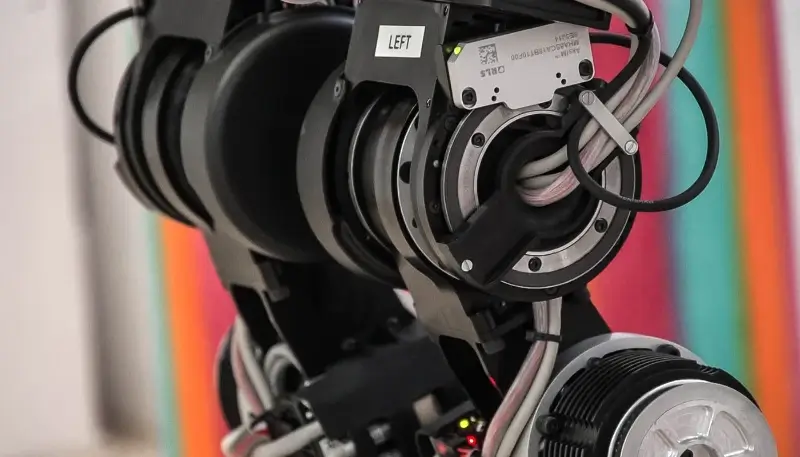
PAL Robotics SL, Spain
PAL Robotics integrates magnetic encoder technology into robots to achieve balance
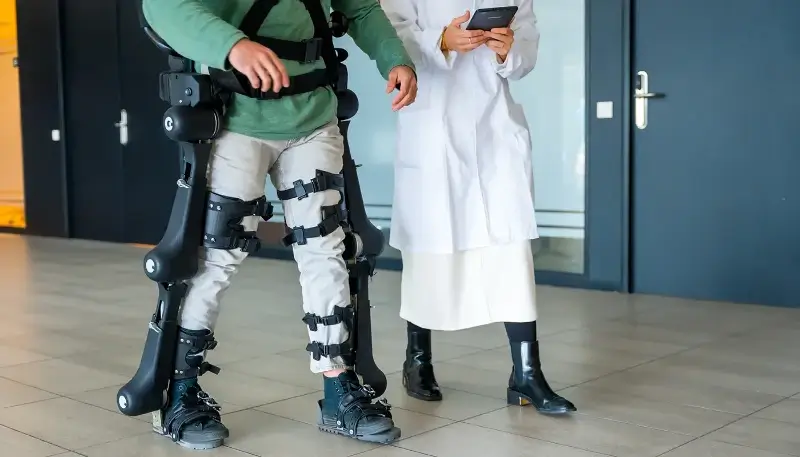
RE:HOME, France
Pioneering pediatric exoskeletons with high-precision encoders
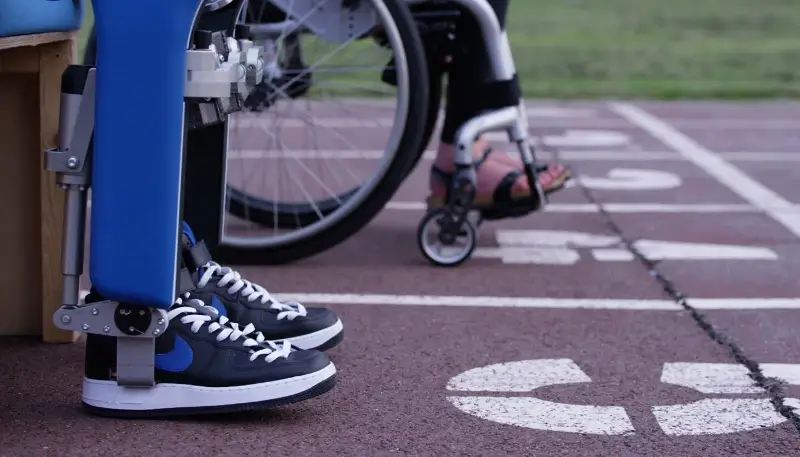
Project MARCH, The Netherlands
Project MARCH races to build advanced exoskeleton for people with a spinal cord injury
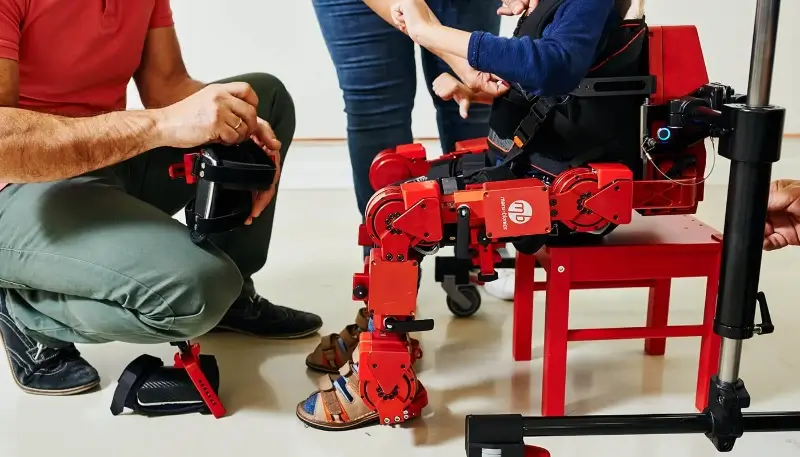
Marsi Bionics, Spain
RLS magnetic encoders enable Marsi Bionics to build life-changing exoskeletons
Recommended products
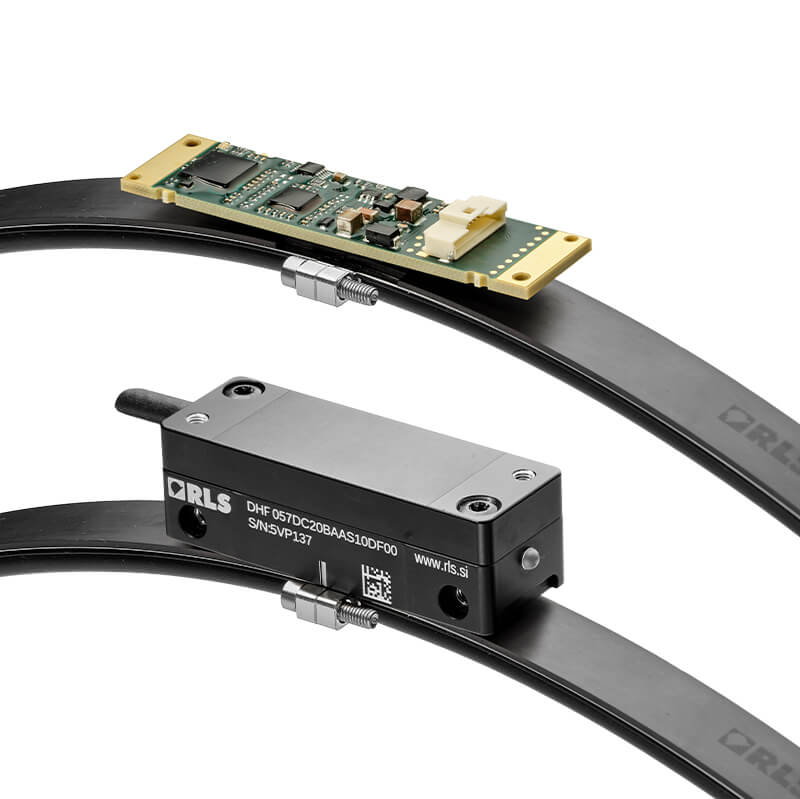
FlexAB™
Absolute Magnetic Scale System for Large Diameters
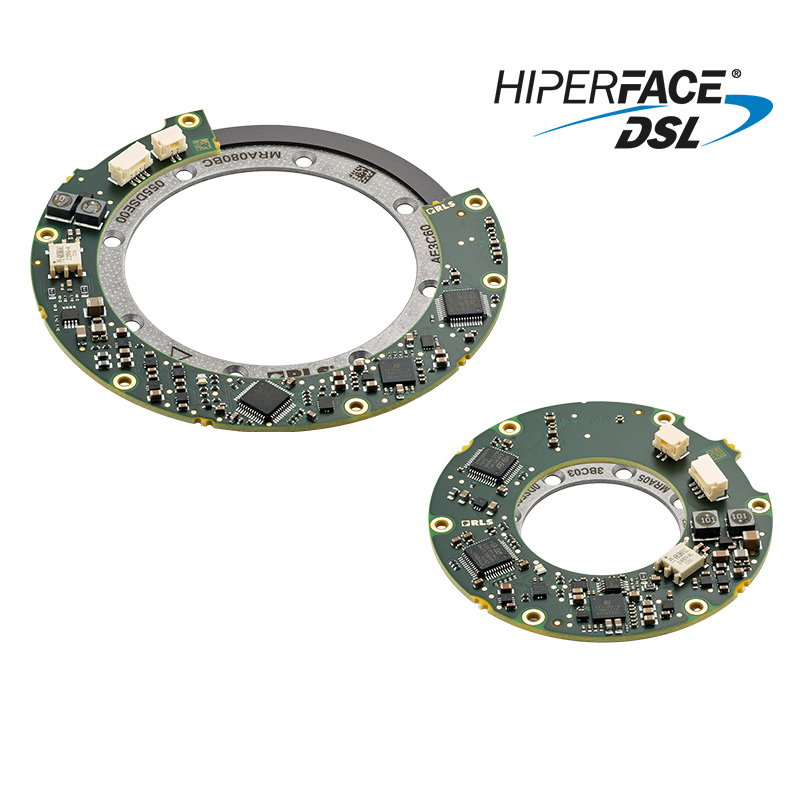
AksIM-4™ HIPERFACE DSL®
Off-axis Rotary Absolute Magnetic Encoder
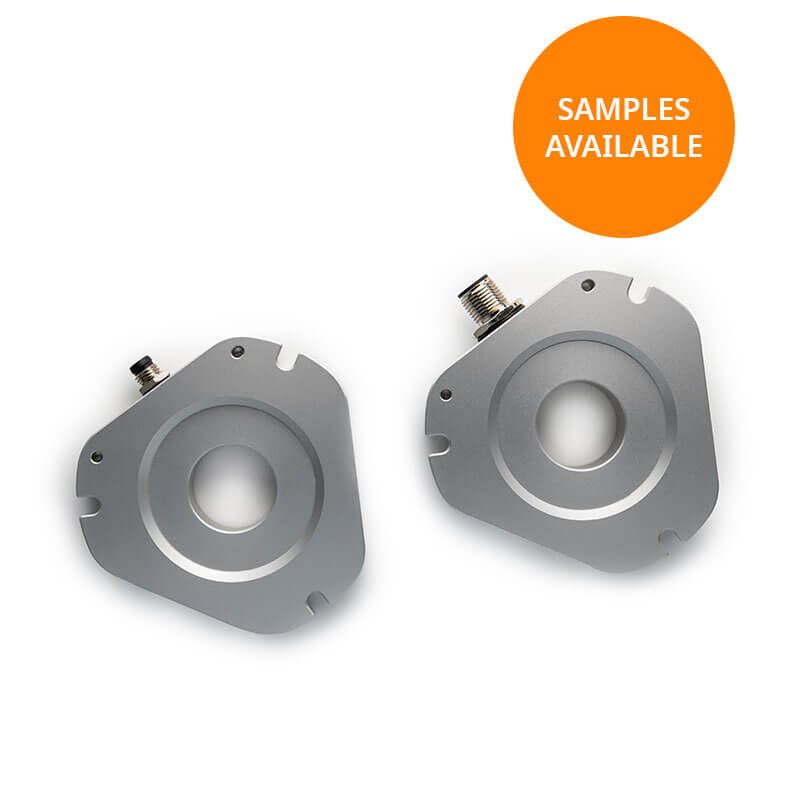
Orbis™ Housed
Through-hole Rotary Encoder
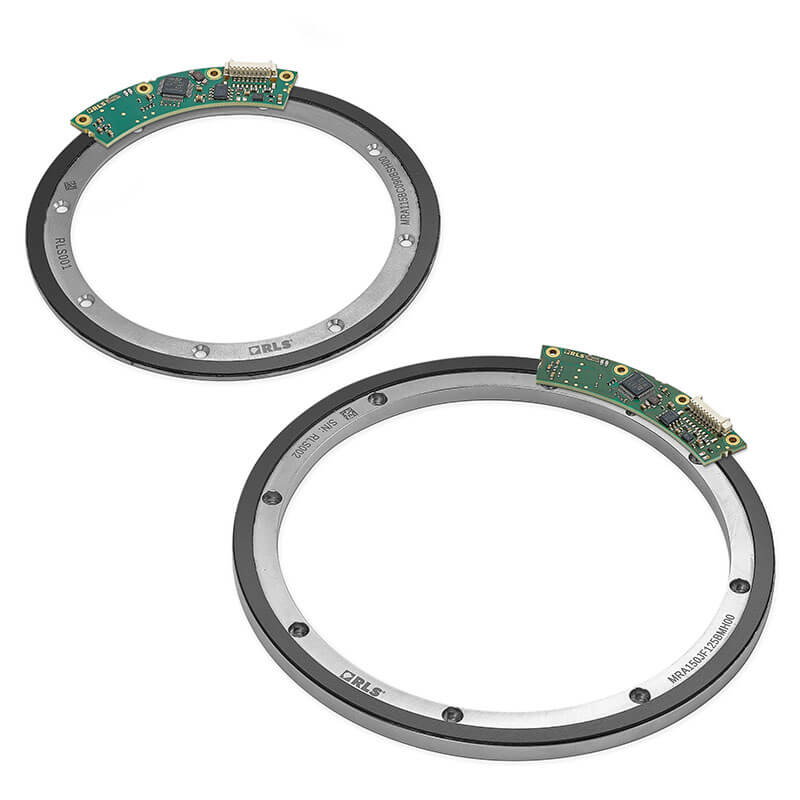
AksIM-4™ Big Rings
Off-Axis Rotary Absolute Magnetic Encoder
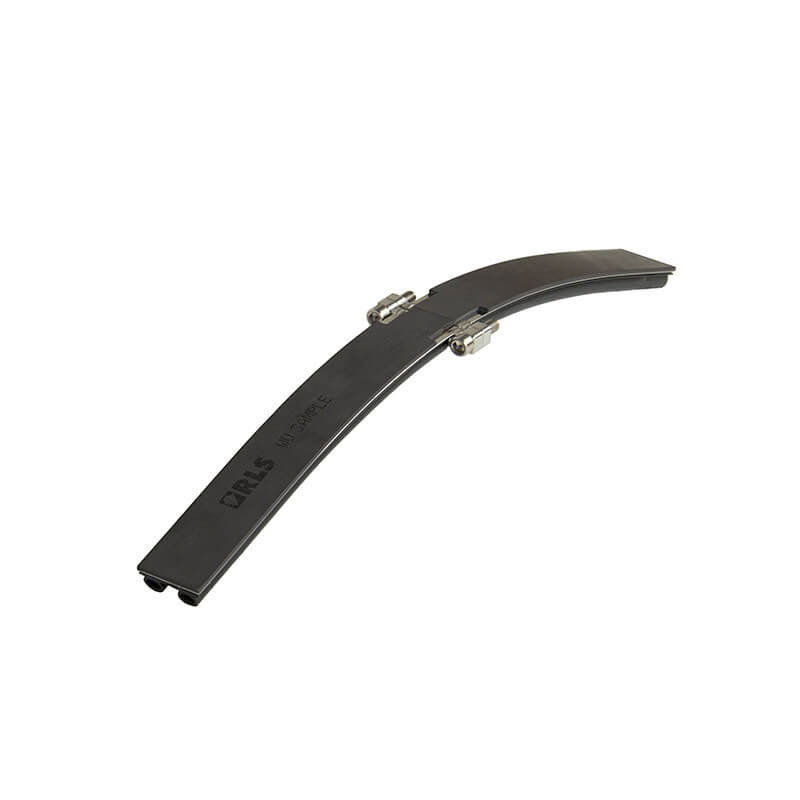
FlexIN™
Magnetic Scale System for Large Diameters
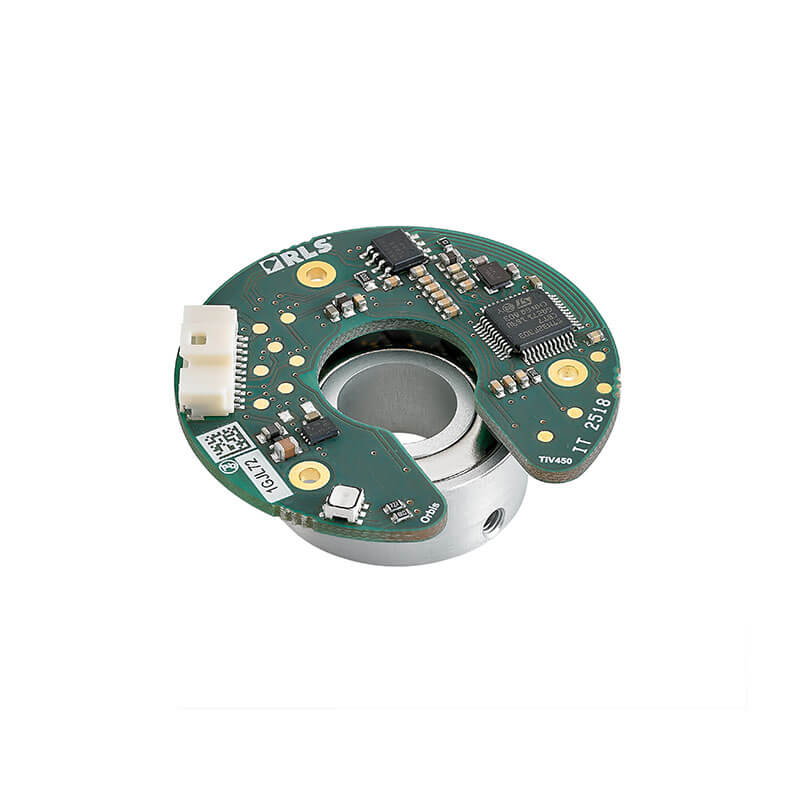
Orbis™
Rotary Magnetic Encoder Module
AksIM-2™
Off-Axis Rotary Absolute Magnetic Encoder Module
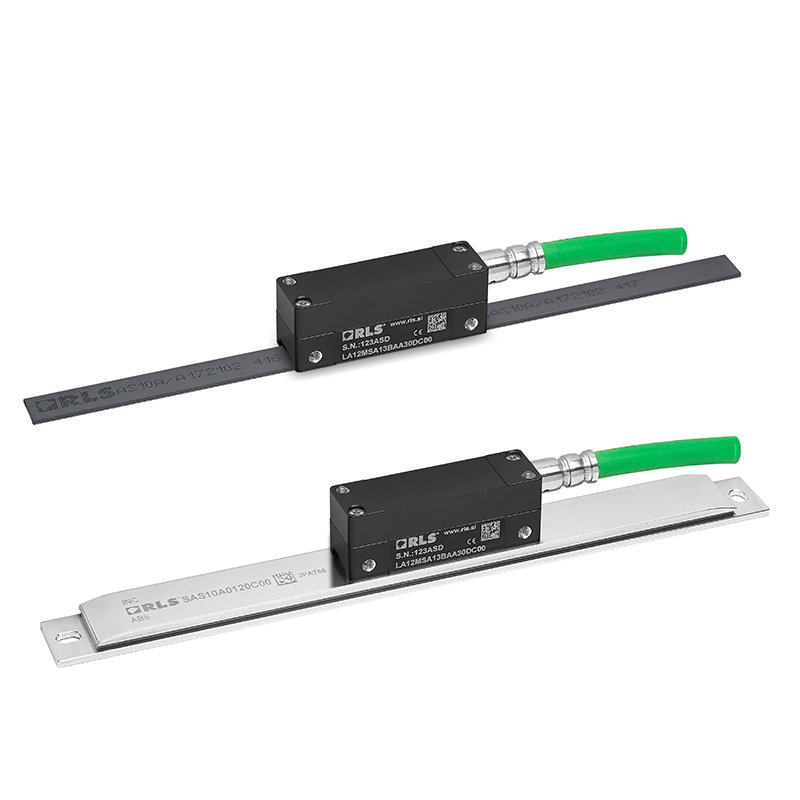
LA12
Absolute Magnetic Encoder System with Mitsubishi, Yaskawa and Fanuc Serial Communication
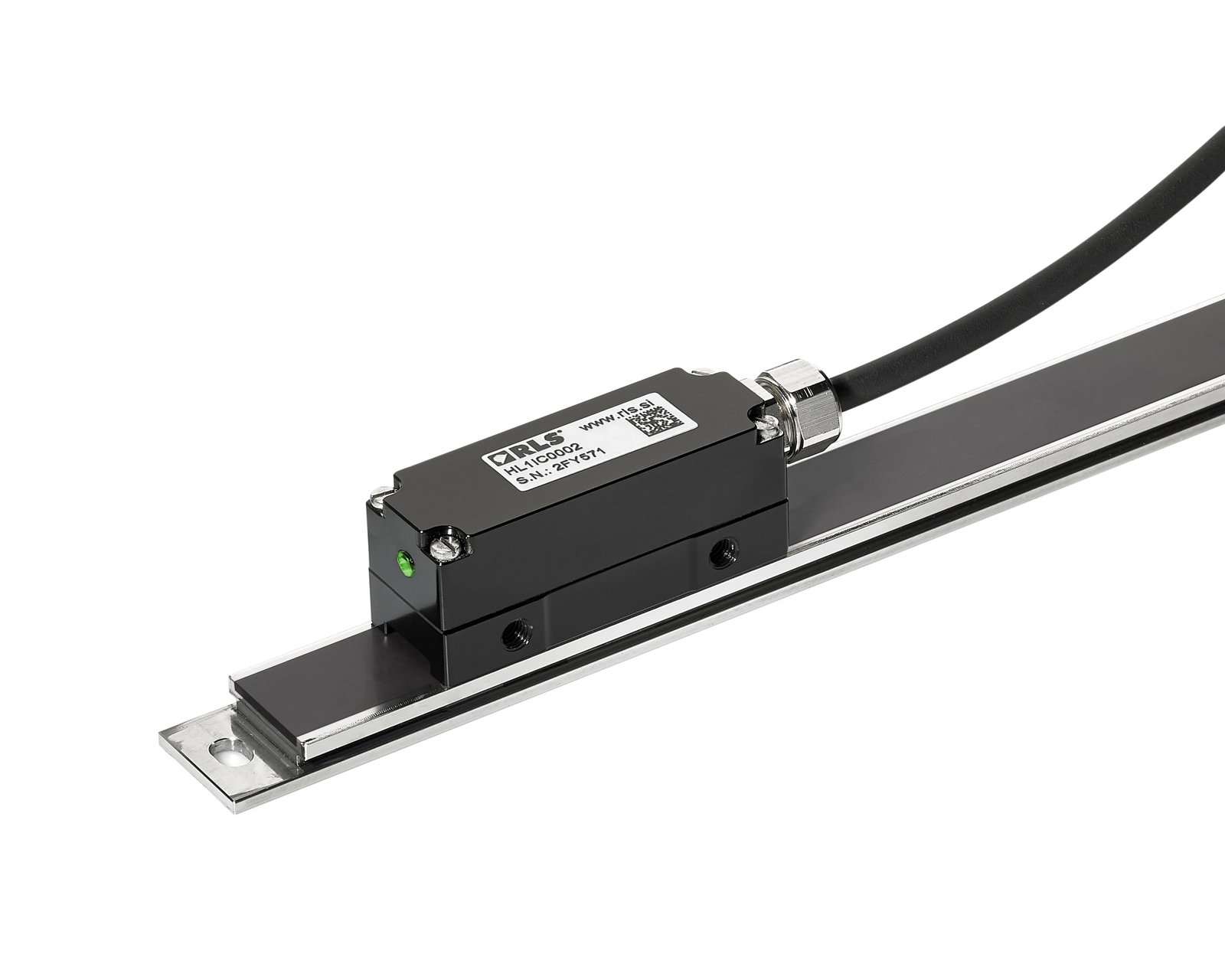
HiLin™
High-accuracy Linear Magnetic Encoder System
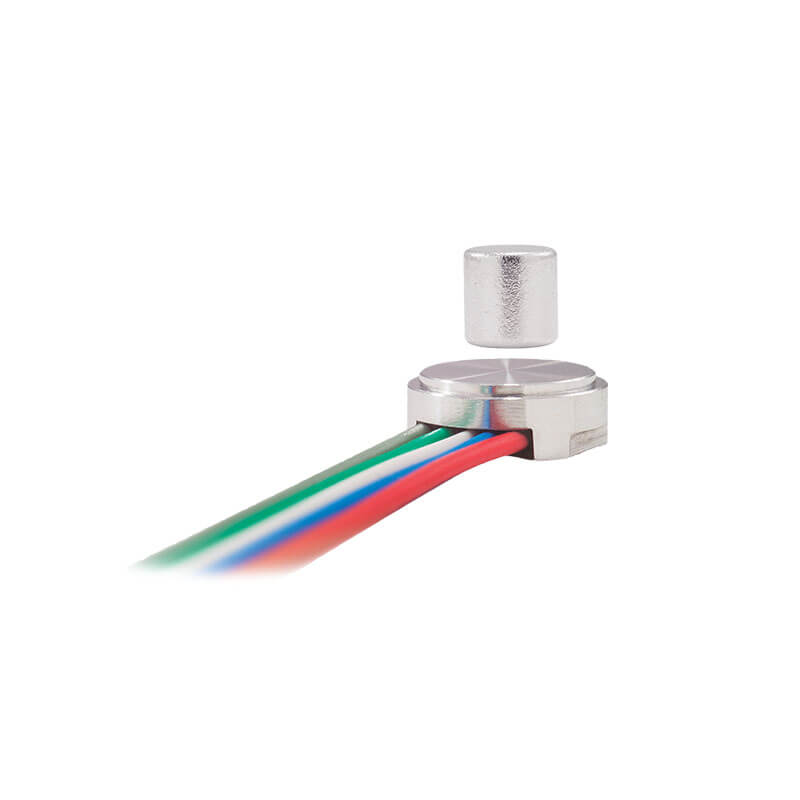
RM08
Miniature Rotary Magnetic Encoder
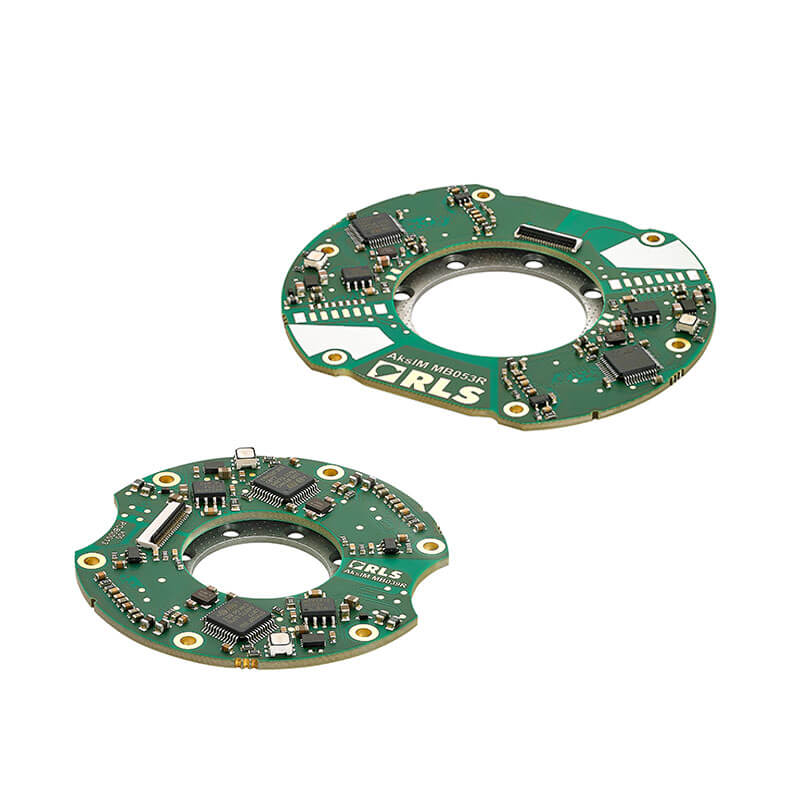
AksIM-2™ Redundant
Off-Axis Rotary Absolute Magnetic Encoder Module
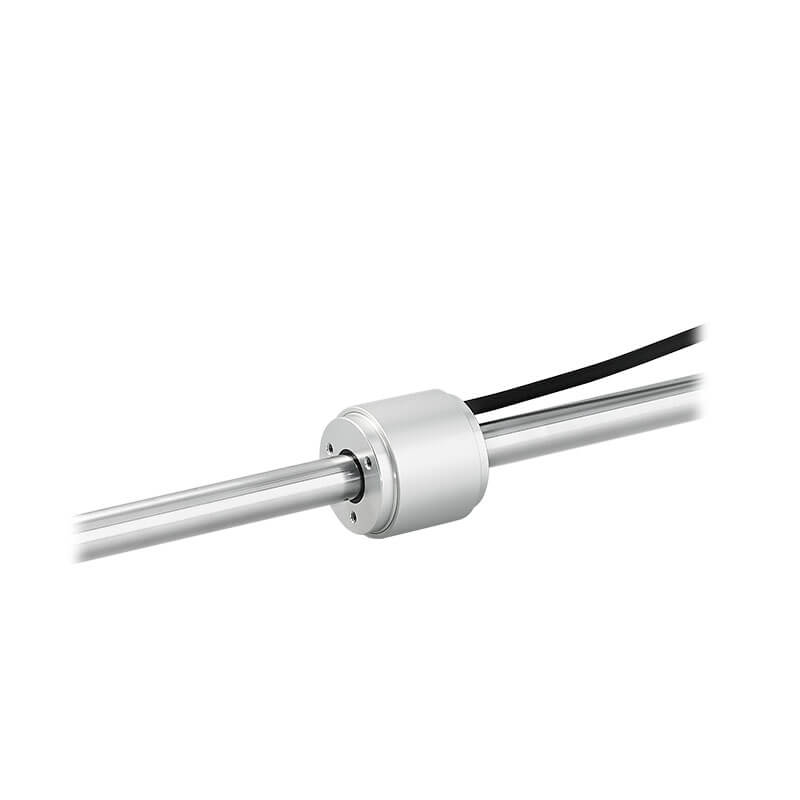
LinACE™
InAxis Linear Absolute Magnetic Shaft Encoder
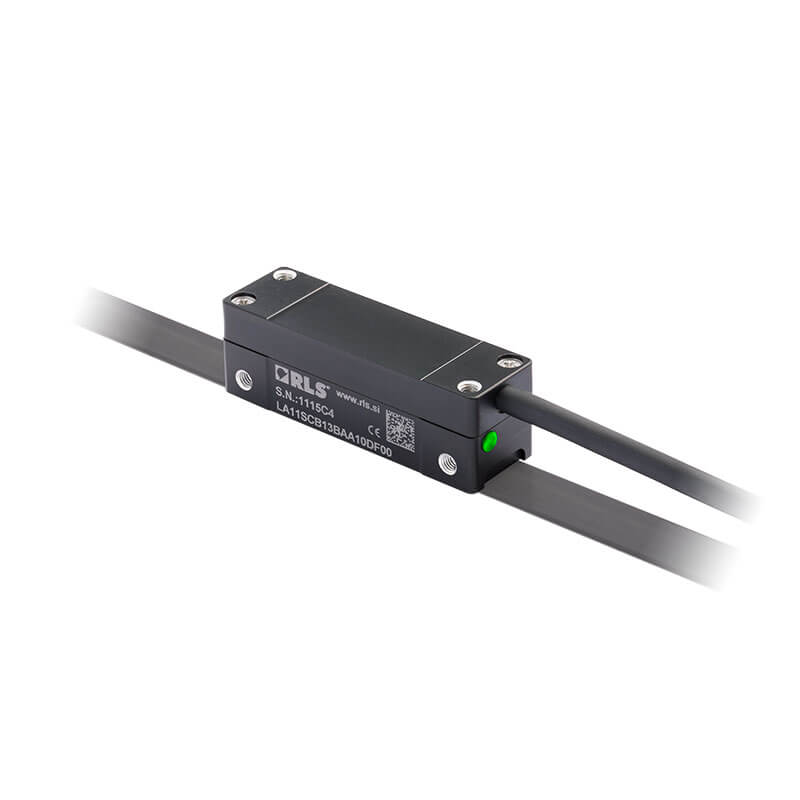
LA11
Linear Absolute Magnetic Encoder
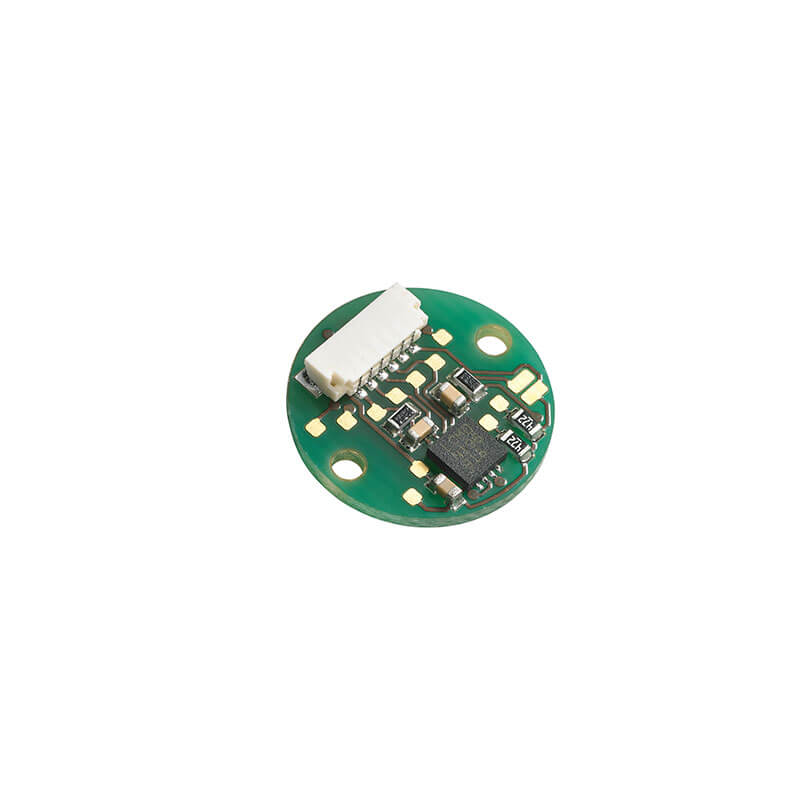
RMB14
Rotary Magnetic Encoder Module
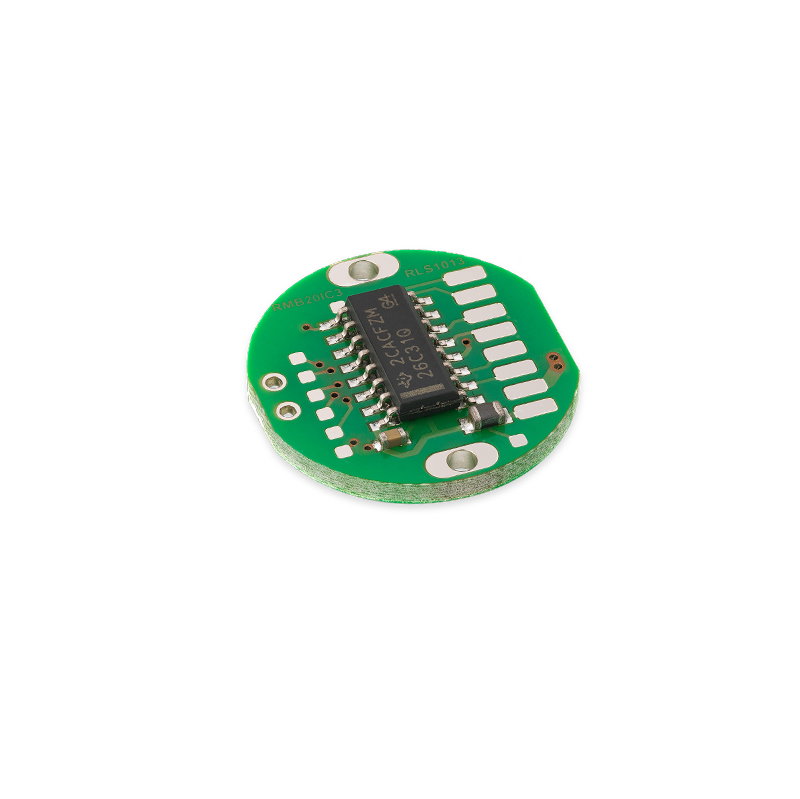
RMB20
Rotary Magnetic Encoder Module
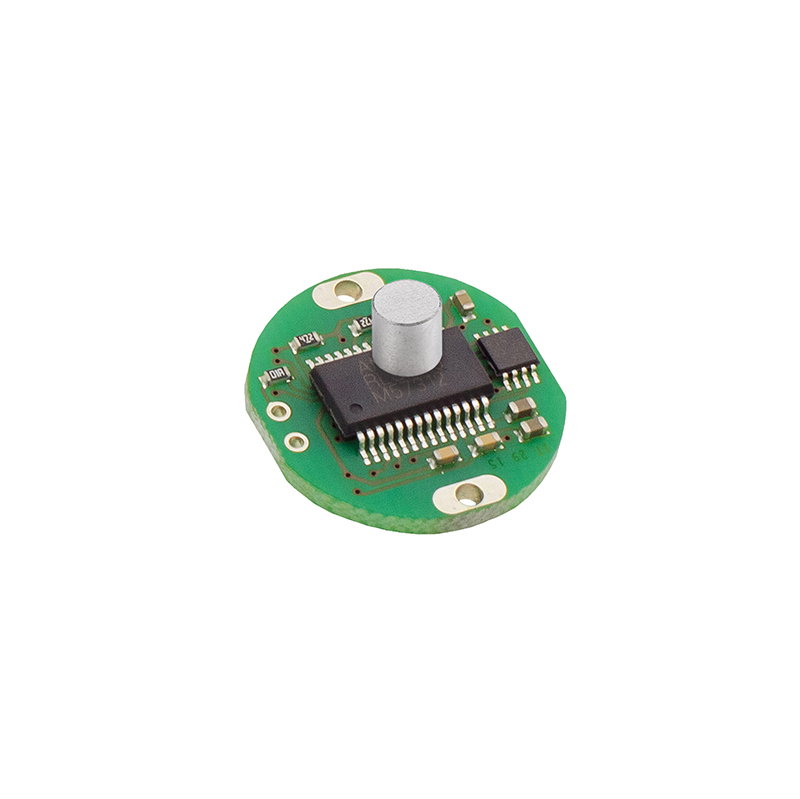
RMB20 with AM4096 chip
Rotary Magnetic Encoder Module with AM4096 chip
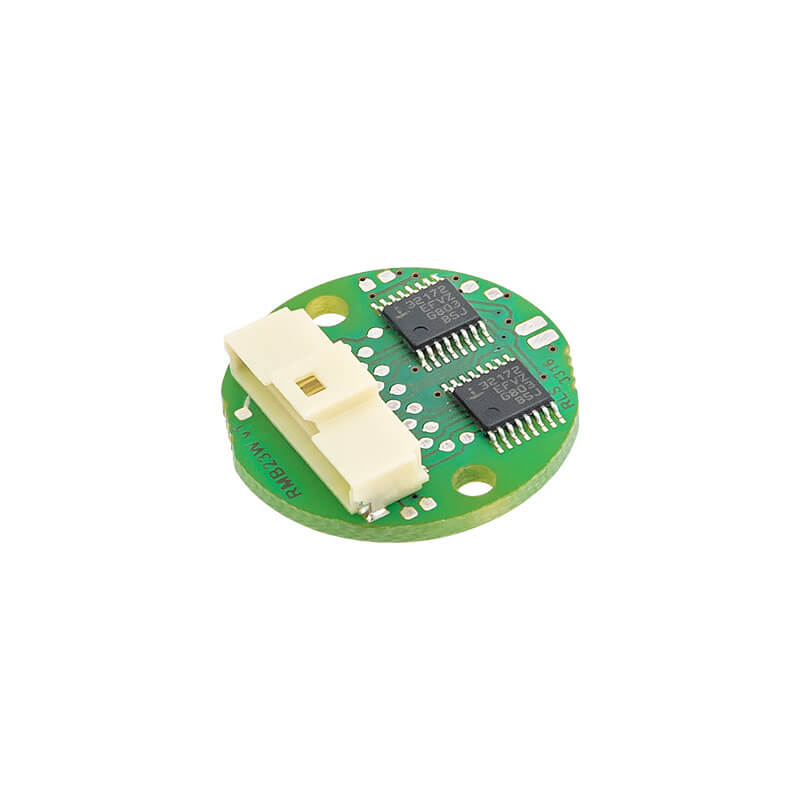
RMB23
Rotary Magnetic Encoder Module
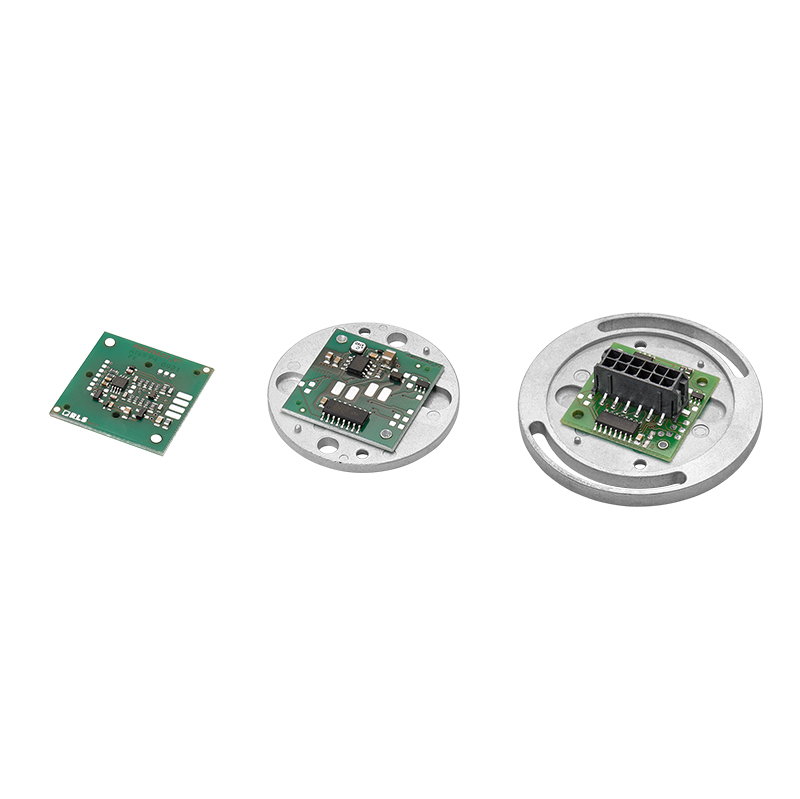
RMB28 / RMF44 / RMF58 with AM4096 chip
Rotary Magnetic Encoder Module with AM4096 chip
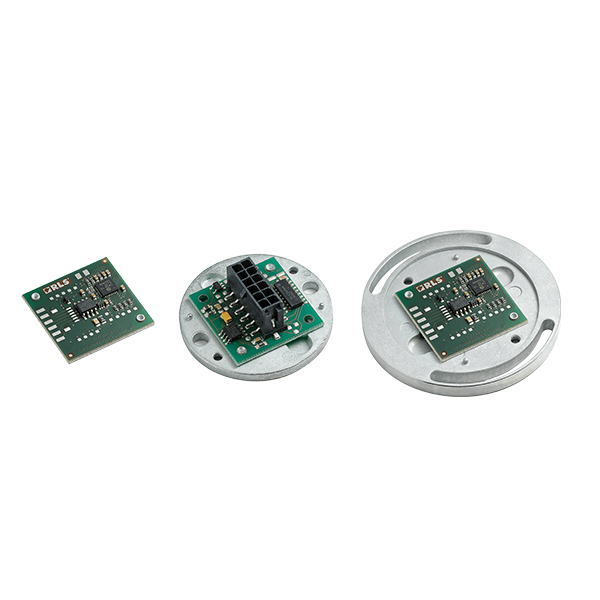
RMB28 / RMF44 / RMF58
Rotary Magnetic Encoder Module
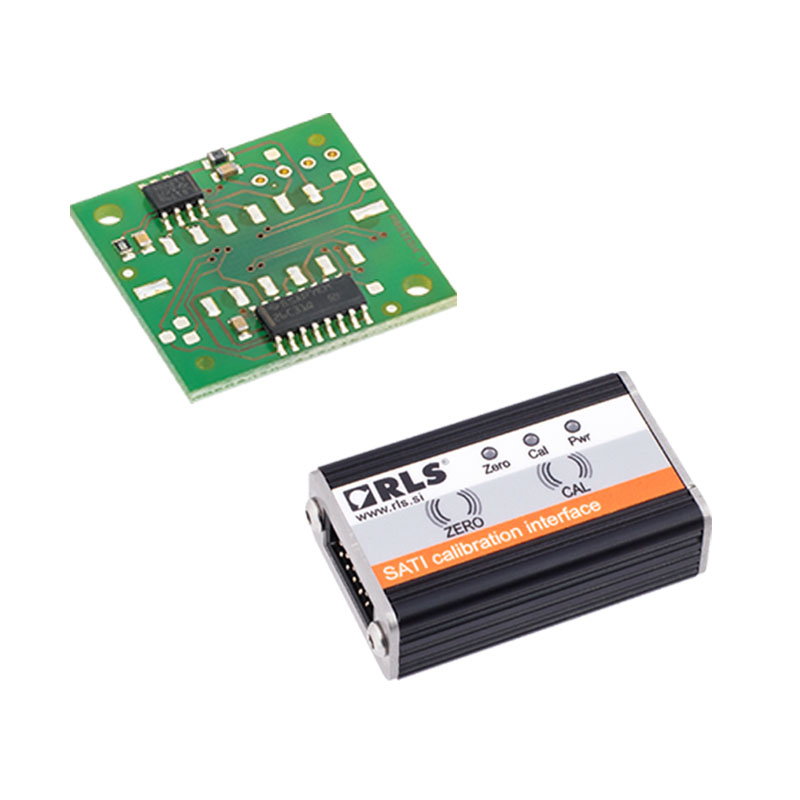
RMB28 with SATI03
Rotary Magnetic Encoder Module
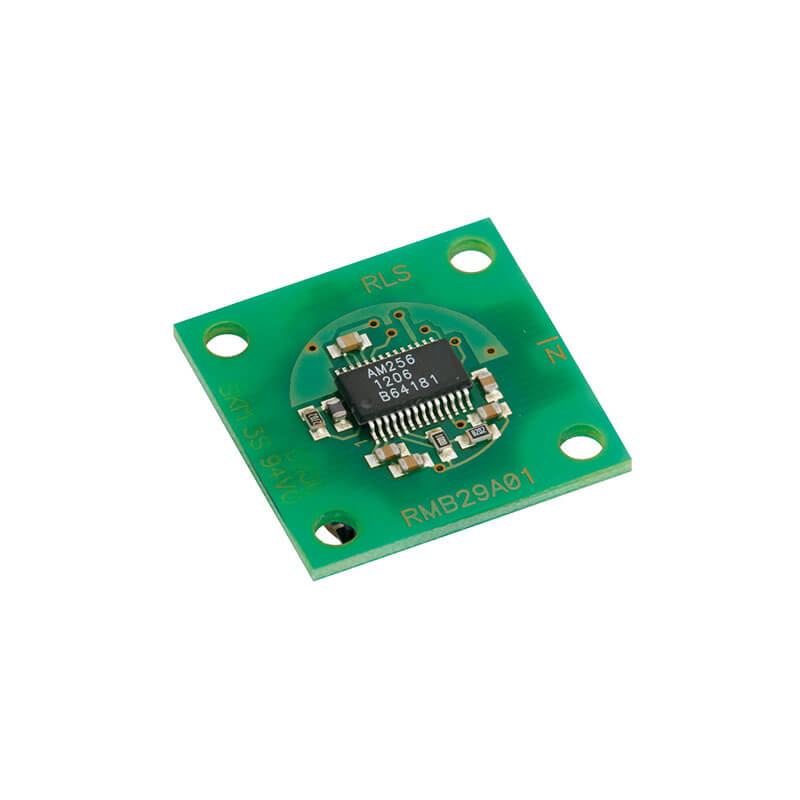
RMB29
Rotary Magnetic Encoder Module
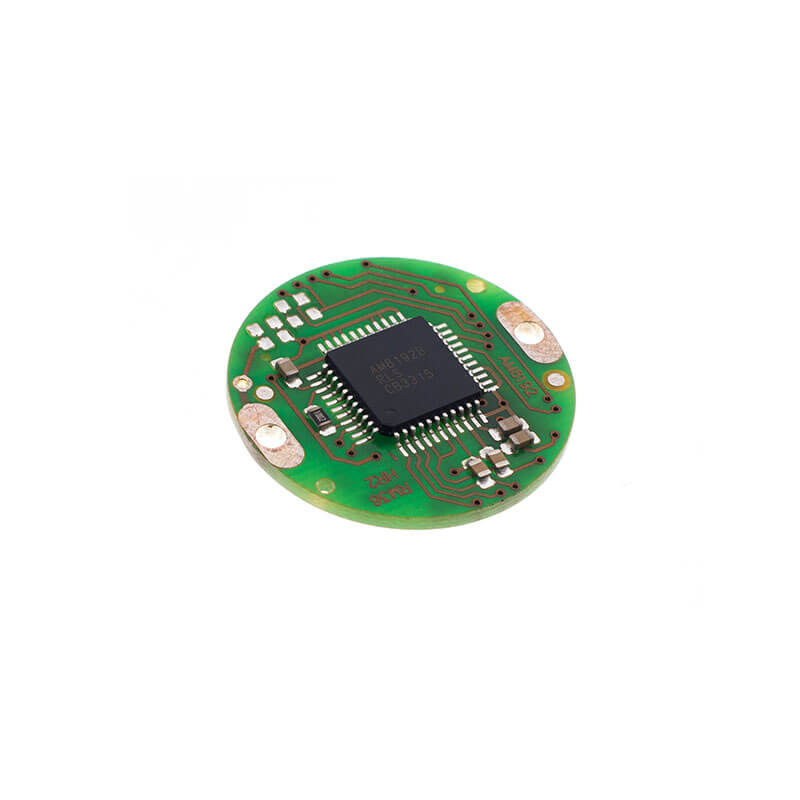
RMB30
Rotary Magnetic Encoder Module
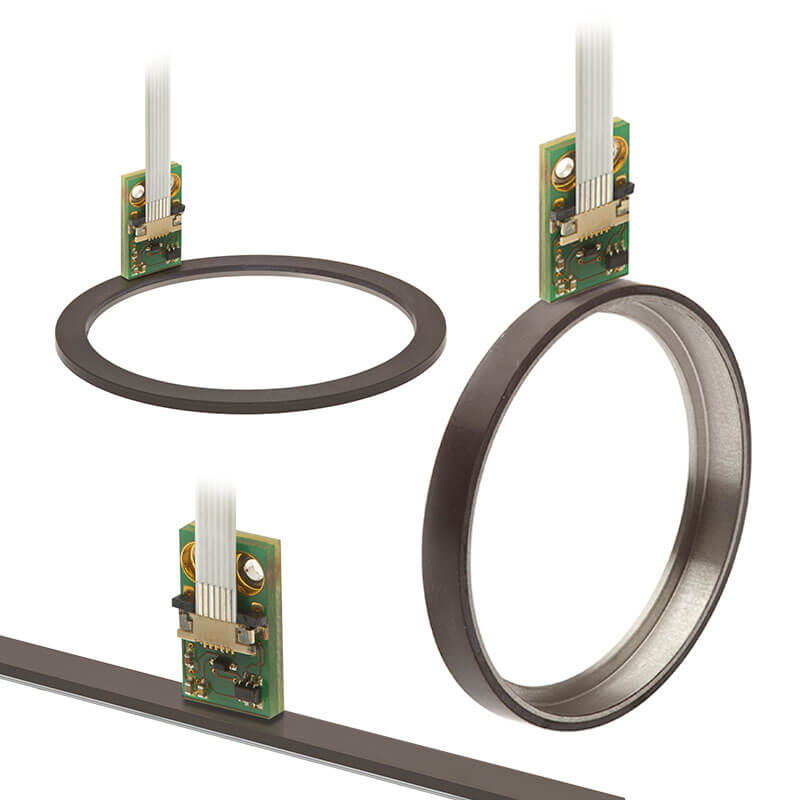
RLB
Miniature Incremental Magnetic Encoder Module
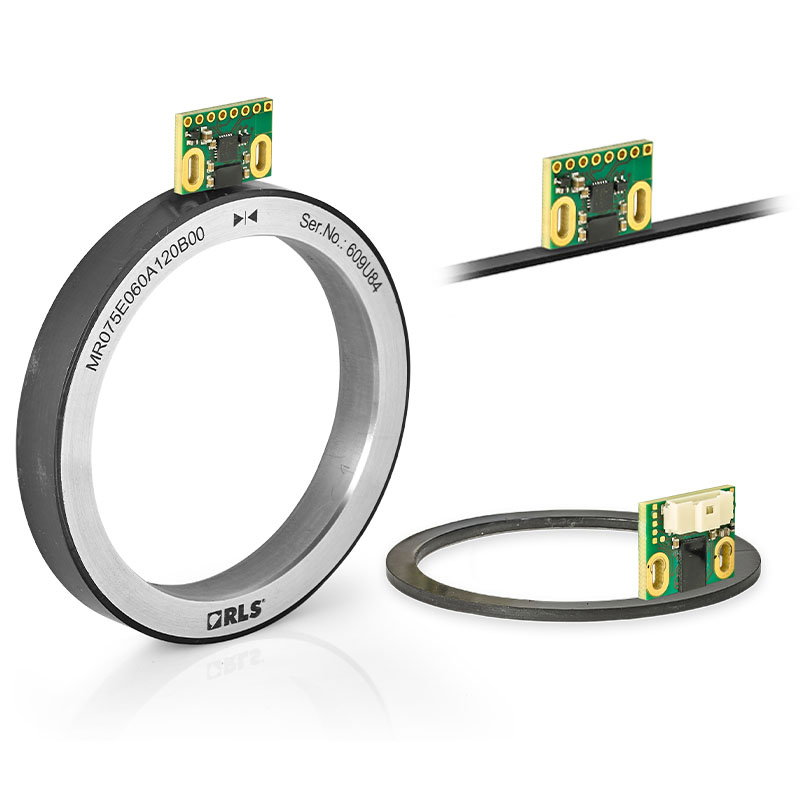
RLC2IC
Miniature Incremental Magnetic Encoder Module
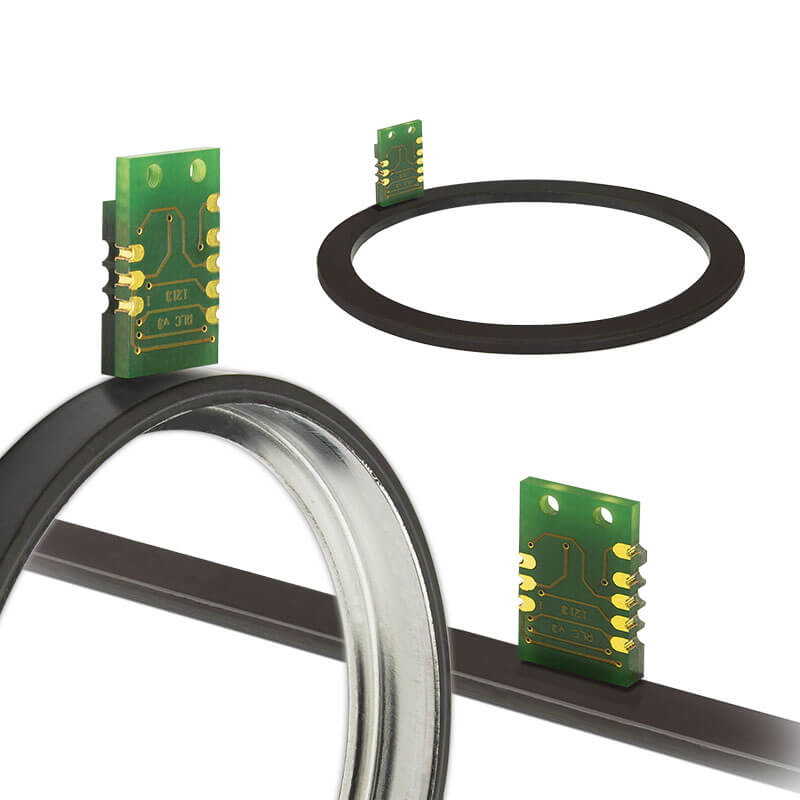
RLC2HD
Miniature Incremental Magnetic Encoder Module
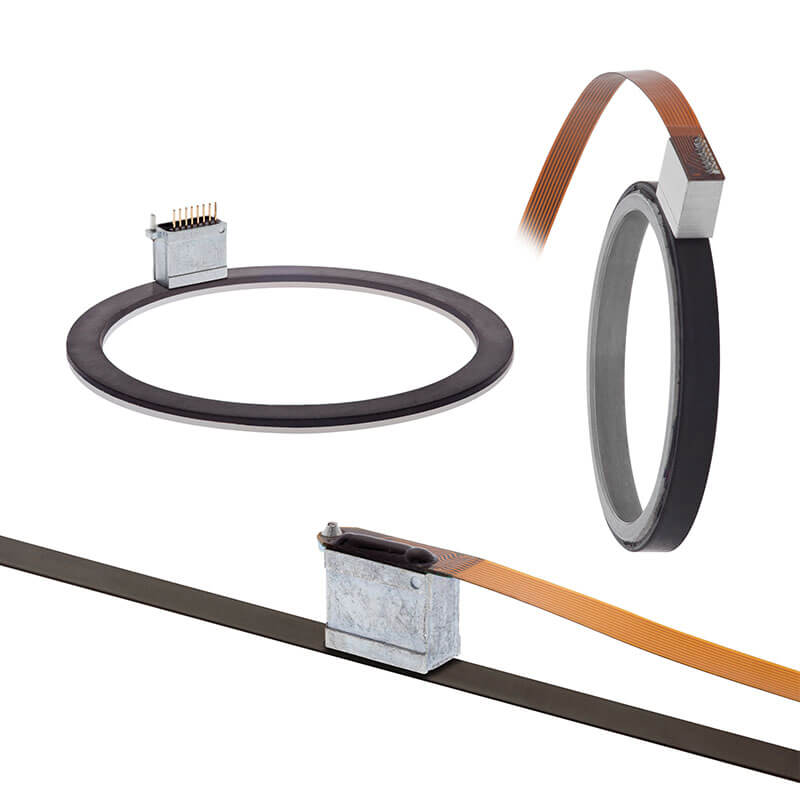
RLM
Miniature Incremental Magnetic Encoder
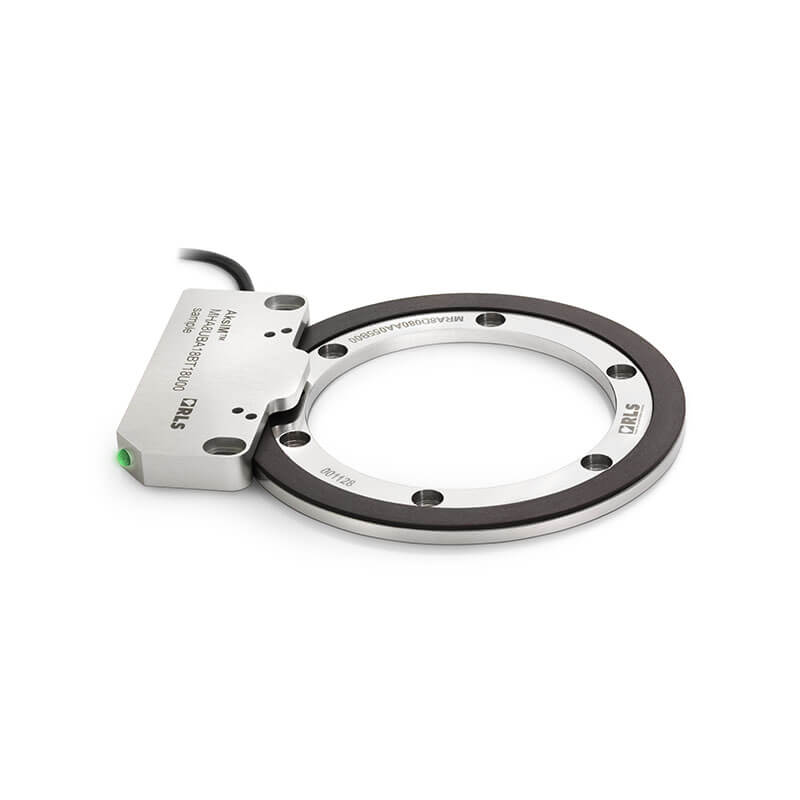
AksIM™ Housed
Off-Axis Rotary Absolute Magnetic Encoder

How would you like to browse products?
Choose your preferred browsing method
Your selection
