Position at power-on
True-absolute technology reports a valid position the instant the system starts. No homing moves, no reference marks, no lost position after a power cut.
One true-absolute magnetic encoder platform for rotary axes, linear travel, partial arcs and multi-metre shafts.
Artos™ is an absolute magnetic encoder system for motion control, used as the feedback element in angle, position and velocity control loops. Position is valid the moment it powers on — no homing cycle — and the non-contact measurement keeps up with highly dynamic axes.
Pick the readhead for your geometry, the ring or scale that fits your machine, and a board-level or enclosed format for your environment. The platform does the rest.
True-absolute technology reports a valid position the instant the system starts. No homing moves, no reference marks, no lost position after a power cut.
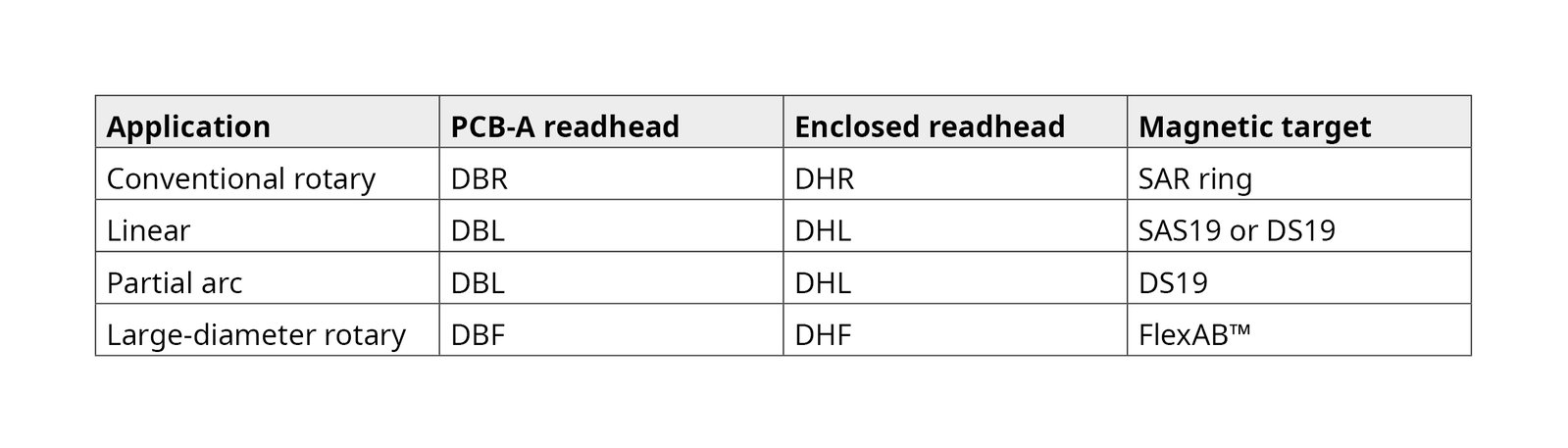
Conventional rotary axes, linear travel up to 32 m, partial arcs and shafts up to 2.5 m in diameter — the same measurement principle, interfaces and setup across all of them.
Position latency under 1 µs and a 91 kHz internal refresh rate, at up to 30,000 rpm or 20 m/s. BiSS-C and SSI outputs, 5 V to 30 V supply.
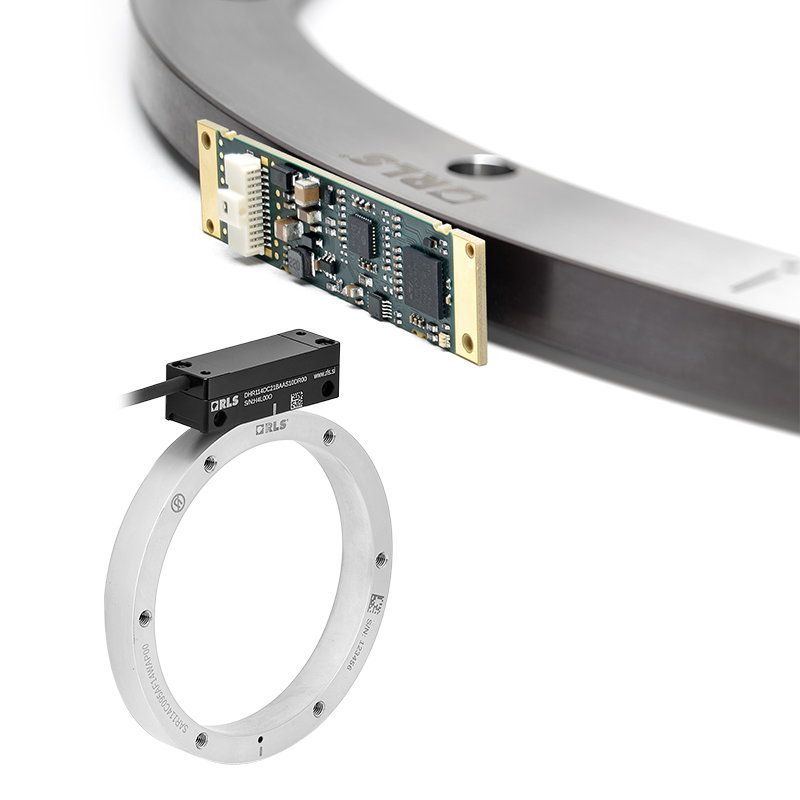
Every Artos readhead comes as a compact PCB-A for OEM integration, or as an IP67 enclosed readhead for liquids, contamination and demanding EMC. Self-calibration and a setup LED make both easy to mount.
Two questions: what the axis looks like, and how protected the readhead will be. Each answer narrows the combinations below.
No combination matches — try another answer.
The board-level rotary readhead over a SAR solid absolute magnetic ring, 57 to 478 mm outside diameter. Mount it with the ACC079 flat or ACC080 angled bracket. Choose an exposed, covered or fully welded ring depending on what the ring itself will meet.
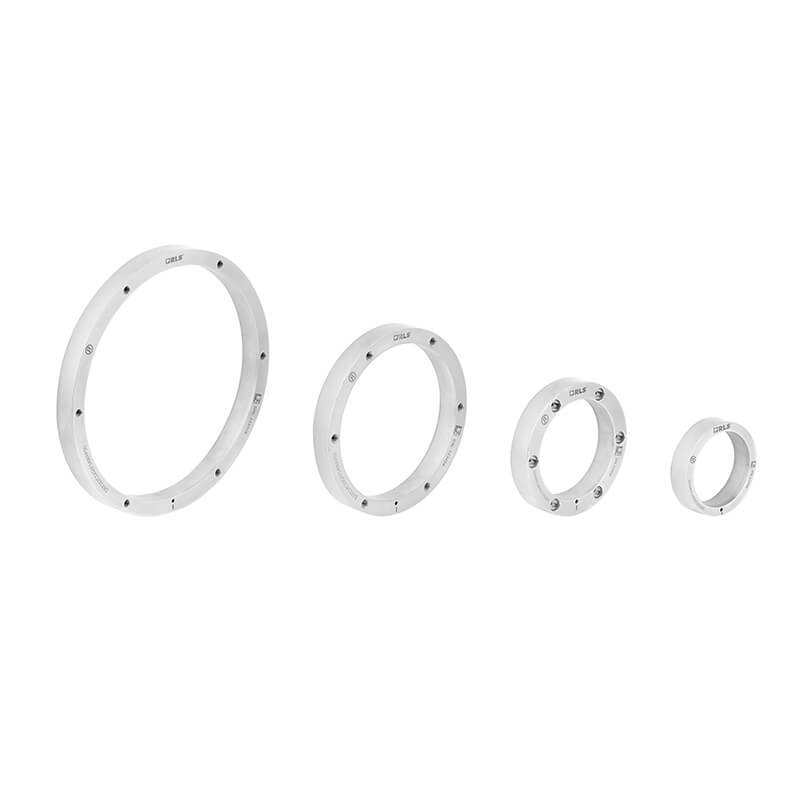
The enclosed IP67 rotary readhead over a SAR ring, 57 to 478 mm outside diameter. Pair it with a fully welded ring (IP67) where oils, coolants or grease reach the axis.
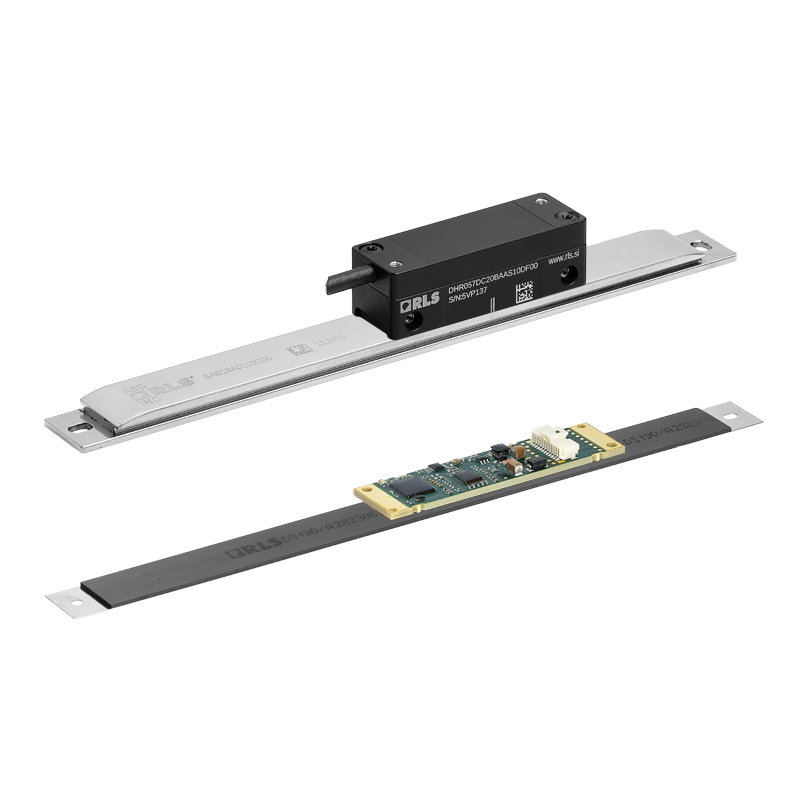
The board-level linear readhead. Choose the solid SAS19 scale for the highest accuracy (±6 µm/m) on a rigid carrier, or the flexible DS19 for long axes: ±10 µm/m up to 8 m and ±15 µm/m up to 32 m.
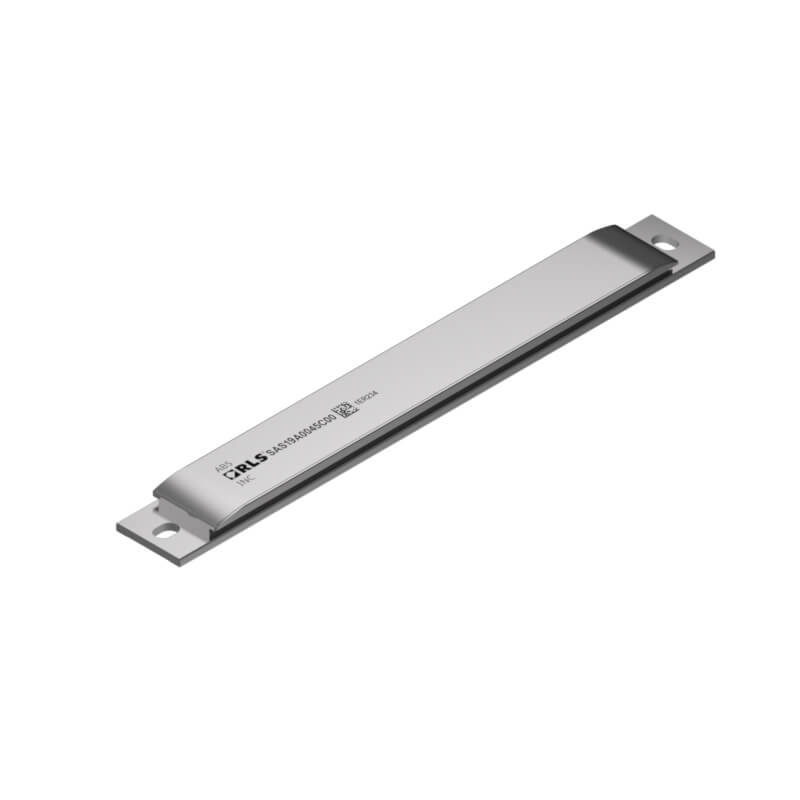
The enclosed IP67 linear readhead. SAS19 is available fully welded for contamination and liquids; DS19 takes the same readhead to 32 m of travel.
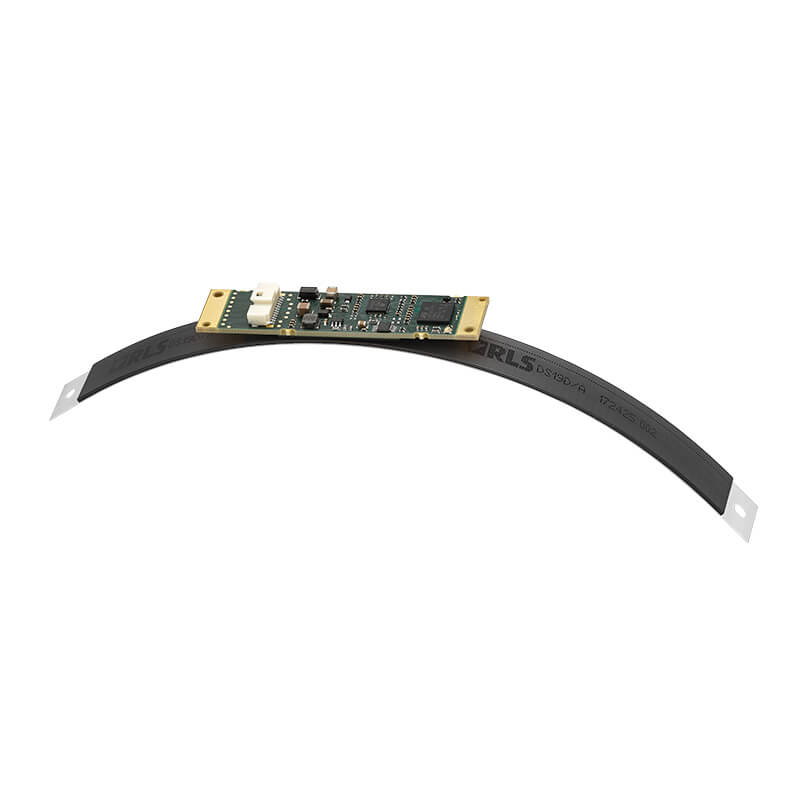
The same board-level readhead as a linear axis, over a DS19 flexible scale that follows only the section of the circumference you use — from about 200 mm diameter. The scale ends stay apart, so the gap between them is not measured. On a large shaft, FlexAB™ can be easier to install even for partial rotation.
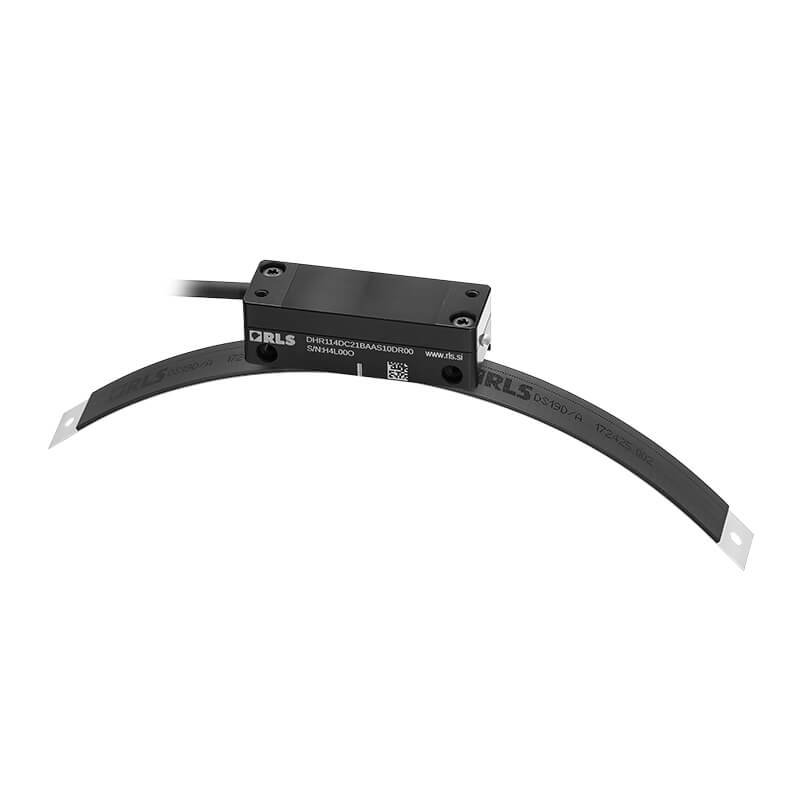
The enclosed IP67 linear readhead over a DS19 scale following the arc, from about 200 mm diameter. Position feedback covers the defined angular range only. On a large shaft, weigh FlexAB™ too — its joining and tensioning mechanism can make the installation simpler.
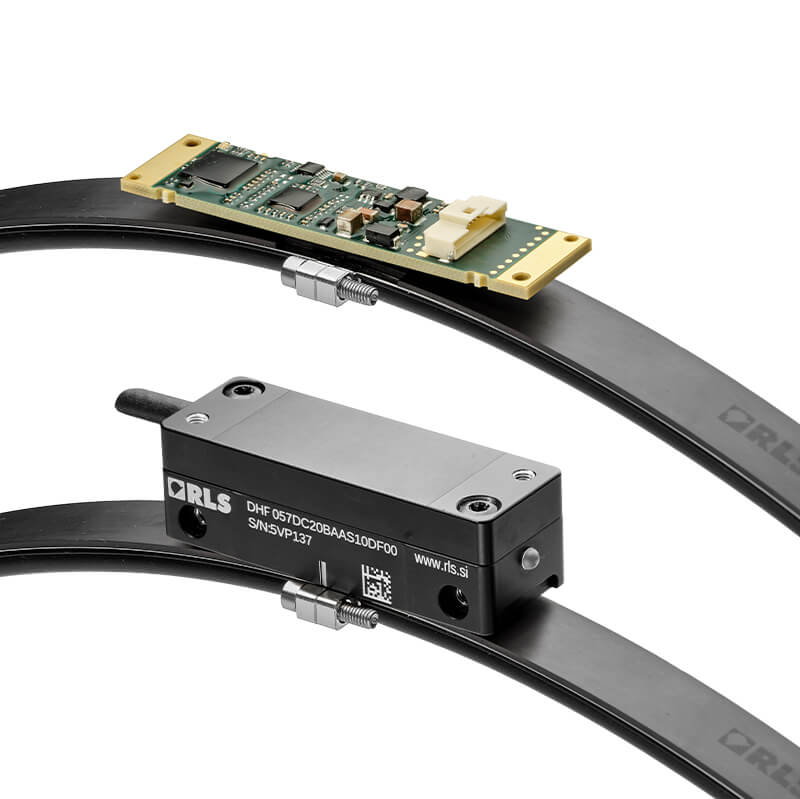
The board-level readhead for FlexAB™, a flexible absolute scale that joins and tensions itself into a continuous 360° ring around shafts of 500 to 2,500 mm. No large rigid precision ring required. Smaller diameters, down to about 400 mm, can be discussed with RLS.
The enclosed readhead for FlexAB™, recommended for harsh and EMC-demanding environments. Full-circle absolute measurement on shafts of 500 to 2,500 mm.
The scale decision is mechanical before it is metrological. SAS19 is a solid scale in predefined lengths: a rigid carrier the machine supports, with accuracy up to ±6 µm/m, exposed or fully welded. DS19 is flexible and keeps going — ±10 µm/m up to 8 m and ±15 µm/m from 8 to 32 m — and it can also follow a curve.
Partial rotation points to DS19 and full 360° to FlexAB™ — but installation matters as much as the motion. Mounting a flexible scale accurately around a large shaft is demanding, and FlexAB™ was designed for exactly that. Weigh the angular range, shaft diameter, access for installation, and whether you might need the full circle later.
Every readhead comes as a board-level PCB-A or an enclosed IP67 version — choose the variant on the product page.
Absolute Magnetic Encoder System
Absolute Magnetic Encoder System
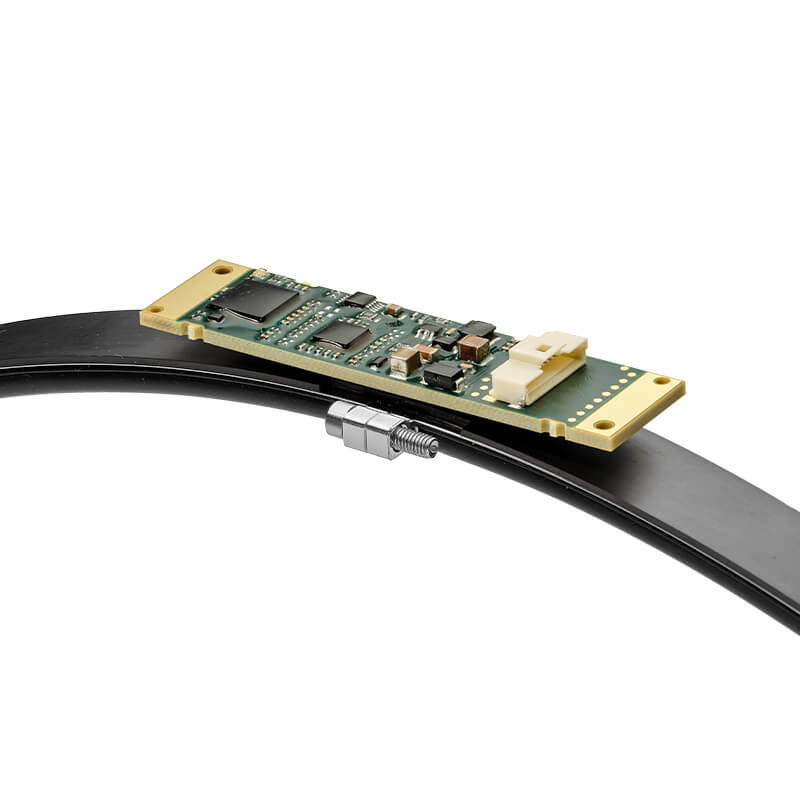
Linear Absolute Magnetic Encoder System
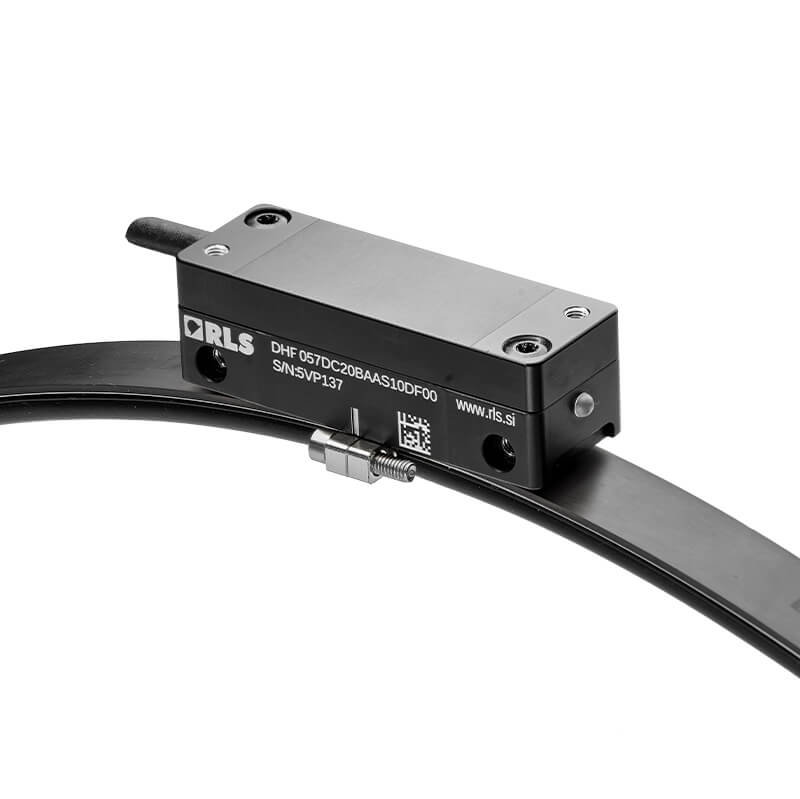
Linear Absolute Magnetic Encoder System
The magnetic ring or scale the readhead reads: pick it by geometry, diameter or length.
Rings for Artos™ absolute encoder
Absolute magnetic scale
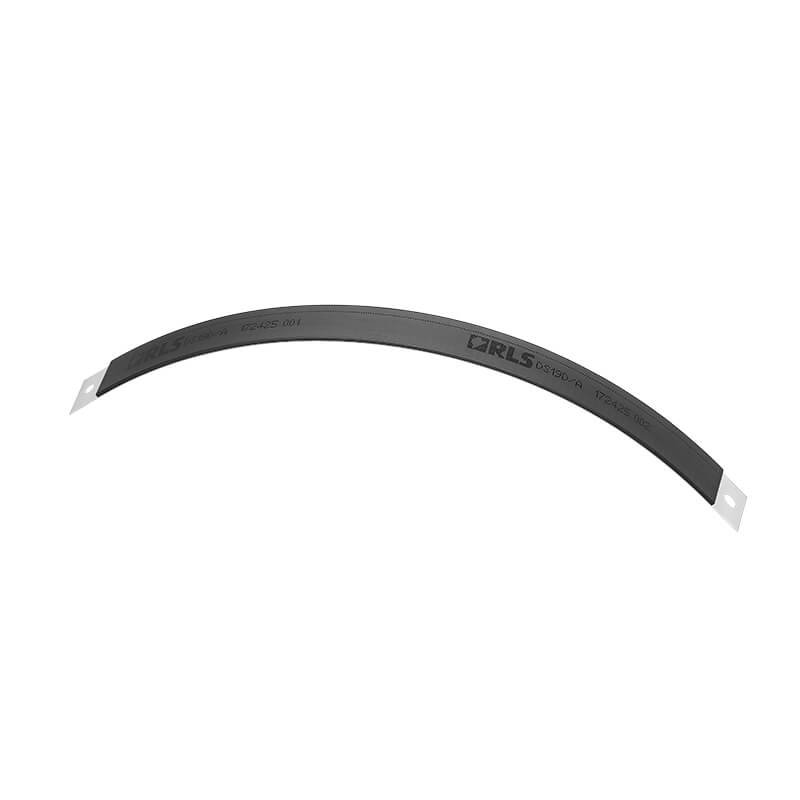
Absolute magnetic scale for Artos™ encoder
Absolute Magnetic Scale System for Large Diameters
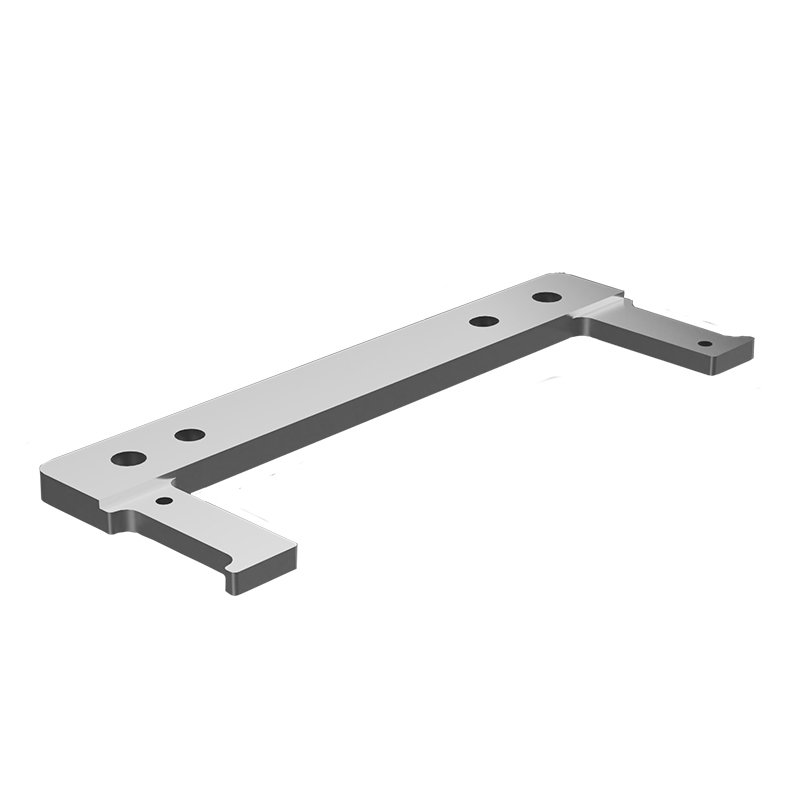
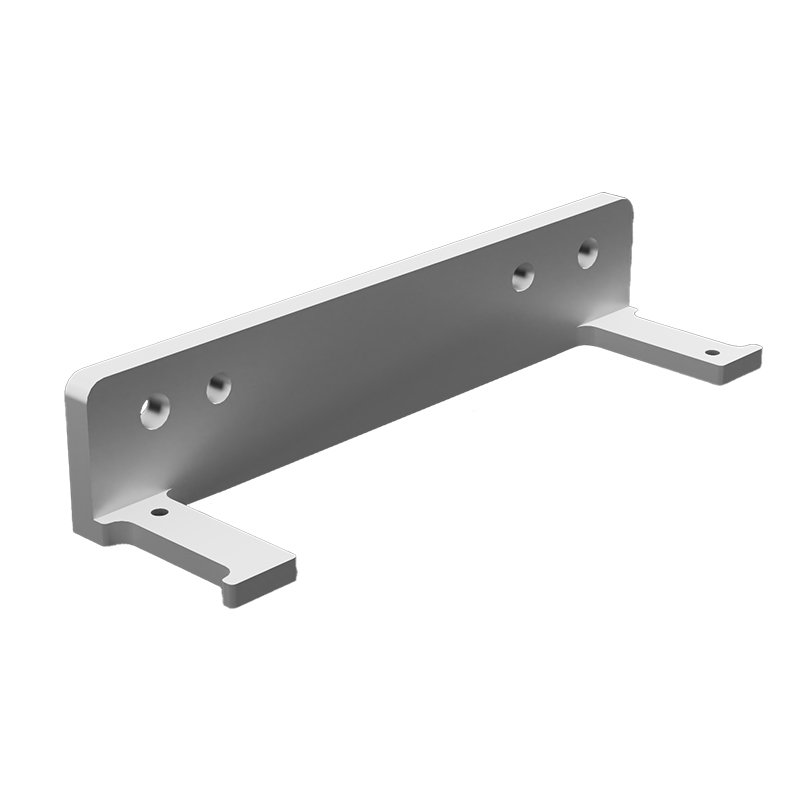
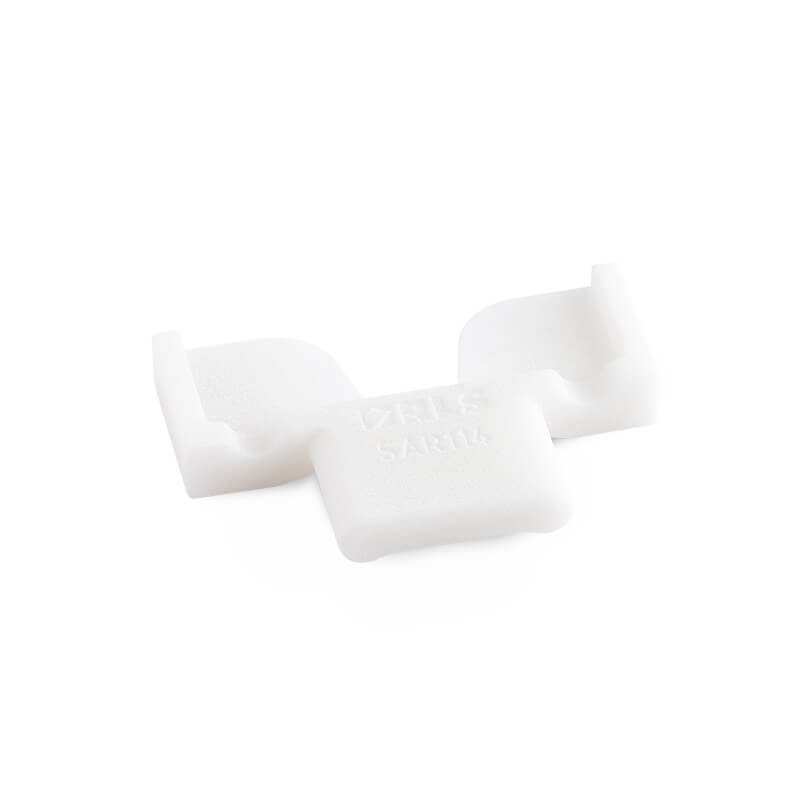
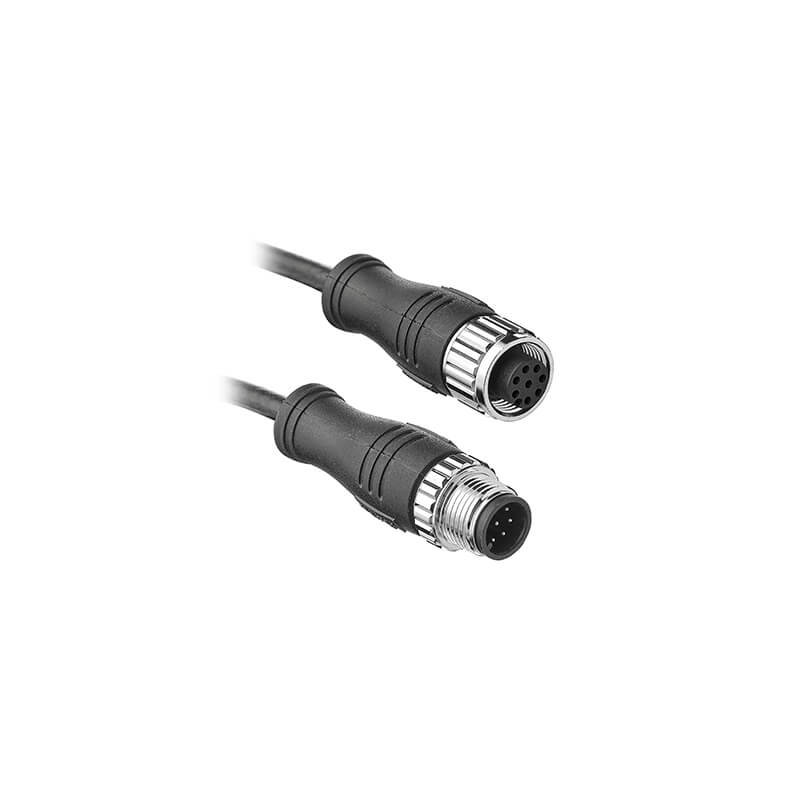
Mounting brackets, installation tooling and cabling for an Artos system.
Not sure which combination fits?
Tell us about the axis — geometry, diameter or length, and the environment — and an RLS engineer will recommend a configuration.
Contact usRLS uses cookies to make the site work, to understand how it is used, and to measure our advertising. Necessary cookies are always on. Everything else runs only if you allow it. Cookie policy